
Unlocking Spine Health: How Osteopathy and Pilates Support Scoliosis and Postural Alignment Issues
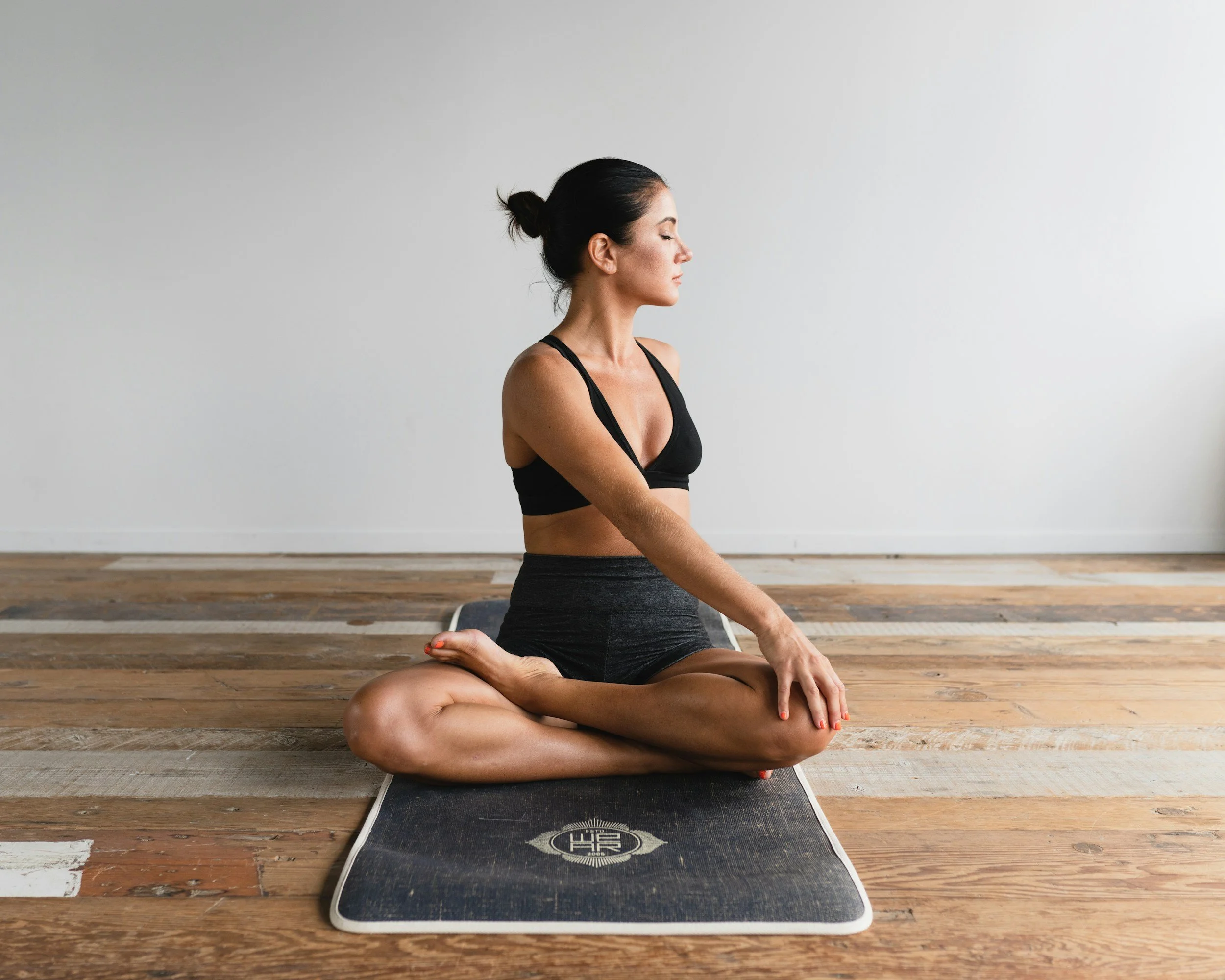
Photo by Dane Wetton
Living with a spinal condition—whether it is scoliosis (a side-to-side curve with rotation), hyperkyphosis (an exaggerated rounded upper back), or hyperlordosis (an excessive arch in the lower back)—presents unique physical challenges. While these conditions affect the spine’s shape differently, they share a common ripple effect: localized muscle imbalances, restricted joint mobility, and chronic discomfort.
A collaborative approach using Osteopathy and Pilates offers a powerful, non-invasive strategy to manage symptoms, restore fluid movement, and improve your daily quality of life.
The Osteopathic Approach: Seeing the Whole Body
Spinal curvatures are never viewed as isolated back problems. Instead, osteopaths assess how a shift in alignment alters the entire biomechanical chain—from your feet up to your head.
By applying Osteopathic Manipulative Treatment (OMT), practitioners address the body through three foundational models:
The Biomechanical Model: Focuses on restoring structural balance and joint mobility. By easing asymmetric strain on overworking muscles, ligaments, and fascia, OMT helps distribute weight more evenly across your joints.
The Respiratory-Circulatory Model: Thoracic variations (like scoliosis or hyperkyphosis) often restrict how much the chest wall can expand. Osteopathic care optimizes diaphragm function, releases tight intercostal muscles between the ribs, and makes deep breathing easier.
The Neurological Model: Alignment shifts can compress or irritate nerve pathways. Treatment focuses on easing nervous system tension, alleviating referred pain, and helping the body adapt to structural changes.
What the Research Says About Manual Therapy
Research in manual therapy journals continuously underscores the realistic, highly beneficial role of conservative care for spinal alignment conditions:
While manual therapy cannot "cure" or completely straighten a structural curve, it is highly effective at reducing chronic back pain, relieving muscle fatigue, and improving daily function.
The primary goal of manual treatment is preventing stiffness. Keeping the spine, ribs, and surrounding tissues flexible is vital to stopping progressive rigidity—especially as we age.
Why Pilates is the Perfect Partner to Osteopathy
While osteopathy manual therapy releases restricted joints and tight tissues, Pilates provides the targeted strength needed to maintain those physical gains.
Core & Deep Muscle Stabilization: Pilates targets the deep local stabilizing muscles (such as the transversus abdominis and multifidus) that act as an internal corset for the spine.
Asymmetrical Strengthening: Spinal variations create strong, tight muscles on one side and long, weak muscles on the other. Pilates exercises can be customized to strengthen weaker areas while lengthening overly tight ones.
Enhanced Body Awareness (Proprioception): Postural changes alter how your brain perceives where your body is in space. Pilates builds intense mind-muscle connection, helping you maintain optimal alignment during everyday activities.
Take Control of Your Spine Health
You don't have to navigate spinal discomfort alone. By combining the hands-on tissue releases of Osteopathy with the active stabilization of Pilates, you give your spine the exact tools it needs to feel strong, flexible, and supported.
Ready to move with more ease? Book an initial consultation with Susan Cook today to create a personalized spine-care plan tailored to your body!